Column · @johnathanistr078
Emergency Dentist Ventura Care for Cracked Crowns and Bridges
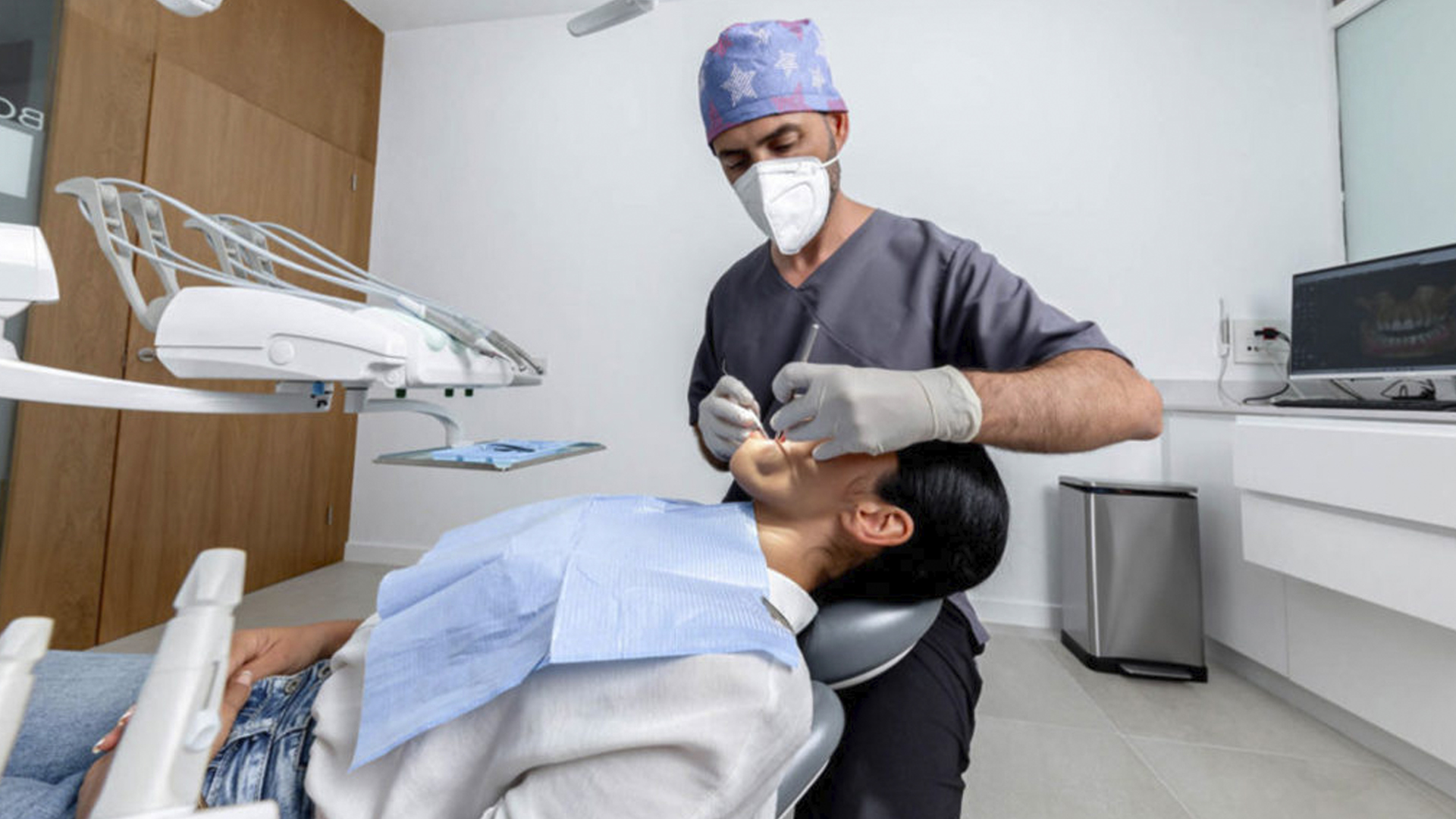
A cracked crown or bridge rarely happens at a convenient time. It shows up during dinner, on a weekend, before a trip, or right in the middle of a busy workday. One bite into something firm and suddenly a restoration that has done its job for years no longer feels stable. The tooth may ache, the bite may feel uneven, and every sip of something cold can set off a sharp jolt.
This is where timely care matters. A damaged crown or bridge is not just a cosmetic nuisance. It can expose the underlying tooth, change the way pressure travels across the bite, trap bacteria along the margin, and turn a manageable dental repair into a more complicated emergency. Patients often wait because the restoration is still partially in place or because the pain comes and goes. That delay can be costly.
When people search for an Emergency Dentist Ventura residents can count on, they are usually dealing with a very specific kind of urgency. They need to know whether the restoration can be saved, how to protect the tooth until the appointment, and what to expect once they are in the chair. Cracked crowns and bridges sit in a gray area that is easy to underestimate. They are not always dramatic enough to send someone to the emergency room, but they are serious enough to need prompt professional attention.
Why crowns and bridges crack in the first place
Most crowns and bridges are durable. Many hold up well for years with routine care. Even so, they live in a demanding environment. Teeth absorb heavy chewing forces, temperature changes, nighttime grinding, and occasional trauma. A restoration can be well made and still fail if the conditions around it become unfavorable.
In practice, several patterns show up again and again. Porcelain can chip when a patient bites ice, hard candy, or an unpopped popcorn kernel. A bridge may crack when one supporting tooth weakens and the force is no longer distributed evenly. A crown can split after years of clenching, especially if the patient never uses a night guard. Decay beneath the crown margin is another common factor. The outer restoration may look intact at first glance, but the tooth underneath has lost support, making the crown more likely to break or loosen.
Age also plays a role. Dental cement can degrade over time. Small fractures can grow slowly before the patient ever feels a symptom. I have seen patients come in convinced a crown suddenly failed overnight, only to find signs that the margin had been compromised for months. The final crack was simply the moment the problem became impossible to ignore.
The difference between a minor chip and a true emergency
Not every chipped crown or bridge requires a same-hour appointment, but some situations do. The challenge is that the mouth is good at masking trouble. A patient may feel only a rough edge and assume the damage is superficial. Then the exam reveals an exposed tooth, a fracture line that extends deeper than expected, or movement in the bridge that threatens the abutment teeth.
A small porcelain chip on a back crown with no pain may be stable for a short time. It still needs evaluation, but it may not be an after-hours emergency. By contrast, a crack that changes the bite, causes temperature sensitivity, creates sharp pain on chewing, or https://louiswlul453.northvaledigest.com/posts/emergency-dentist-ventura-for-urgent-care-without-the-long-wait leaves part of the tooth uncovered deserves urgent care. If a bridge is mobile, that is especially concerning. Once a fixed bridge starts shifting, the risk of further breakage rises quickly.
Front teeth deserve special mention. Even if discomfort is mild, a visible crack or broken bridge in the smile zone often carries functional and emotional urgency. Speech can change. The tongue gets irritated. Patients become self-conscious at work or in social settings. Emergency care in those moments is about restoring more than the tooth. It is also about helping the patient feel comfortable speaking and smiling again.
What a cracked crown or bridge can feel like
Symptoms vary depending on the material, the extent of the fracture, and whether the tooth underneath has been affected. Some people notice a clean snap and immediate pain. Others describe a vague sense that something feels off when they bite down.
Common warning signs include the following:
- Sharp pain when chewing or releasing pressure after biting
- Sensitivity to cold, sweets, or air
- A rough or jagged edge that irritates the tongue or cheek
- A crown or bridge that feels loose, high, or unstable
- Swelling, throbbing, or tenderness around the gumline
Pain on release is a particularly important clue. It often suggests a crack that flexes under pressure. A bridge that feels fine while resting but pinches during chewing can be telling the same story. The restoration is no longer functioning as a rigid, protective cover.
What to do before you can see a dentist
The hours between the break and the dental visit matter. The goal is to protect the tooth, control discomfort, and avoid making the damage worse. Patients often try to test the area repeatedly with their tongue or bite on the other side to see if it still hurts. Both habits can backfire.
If you are dealing with a cracked crown or bridge, keep the response simple and careful:
- Stop chewing on that side and switch to soft foods
- If a piece has come off, save it in a clean container and bring it to the appointment
- Rinse gently with warm water to clear debris
- Use dental wax or sugar-free gum over a sharp edge if it is rubbing soft tissue
- Call an Emergency Dentist Ventura office as soon as possible for guidance and scheduling
Over-the-counter pain relief can help if you normally tolerate it well, but it should not be used as a substitute for evaluation. Avoid using household glue or trying to permanently reattach a crown on your own. Temporary dental cement from a pharmacy may have a role in limited situations, but only if the crown has come off cleanly and the tooth is not fractured or painful. Even then, it is a short-term measure, not a repair.
Why prompt treatment matters
A cracked restoration creates opportunities for bigger problems. Once the seal is broken, saliva and bacteria can get under the crown. Food packs into spaces that were not designed to trap it. The exposed tooth can dehydrate and become highly sensitive. If the fracture line reaches the root or if the supporting tooth structure breaks away, a simple replacement may no longer be possible.
For bridges, delay can be even more consequential. A traditional bridge depends on the health and stability of its supporting teeth. If one retainer cracks or loosens, the whole unit can start torquing against the remaining support. What might have been repaired with one new crown can become a full bridge replacement, additional root canal treatment, or extraction of a failing abutment.
There is also the bite to consider. Dentistry is mechanical as much as it is biological. A crown that has shifted by even a small amount can create a high point. That high spot changes muscle patterns, irritates the ligament around the tooth, and can trigger headaches or jaw soreness. It is not unusual for patients to focus on the visible crack while missing the broader effect on the chewing system.
What happens during an emergency dental visit
A good emergency evaluation is focused and practical. The first task is to determine whether the restoration itself is the main problem, or whether the underlying tooth has been compromised. That distinction shapes everything that follows.
The exam usually starts with a close visual assessment and a bite check. The dentist looks at the fracture pattern, the margin where the restoration meets the tooth, gum health around the area, and whether the crown or bridge moves under light pressure. X-rays are often necessary, especially when pain is significant, the tooth has a history of root canal treatment, or a bridge support may be failing. Sometimes a crack is obvious above the gumline. Other times the x-ray tells the bigger story, showing recurrent decay, root changes, or bone loss around an abutment tooth.
The emergency appointment is not always about completing the final treatment that same day. Sometimes the most important thing is stabilizing the situation. That might mean smoothing a sharp edge, removing a loose crown to prevent aspiration, placing a temporary restoration, treating inflammation, or adjusting the bite to reduce pain. In straightforward cases, a same-day recementation or replacement may be possible. In more complex cases, the visit is about preserving options and preventing escalation.
When a crown can be repaired, and when it needs replacement
Patients often ask the same question first: can you just fix it?
Sometimes, yes. A minor porcelain chip in a noncritical area can occasionally be smoothed or bonded. If a crown has simply come loose and the underlying tooth is sound, it may be recemented. If the fit remains accurate and there is no hidden decay, this can be an efficient solution.
But repair has limits. A crown usually needs replacement when the crack compromises structural strength, when the margin no longer seals properly, or when the tooth underneath has changed shape because of decay or fracture. If the crown split in two, if a large portion broke away, or if the bite has become unstable, replacement is more predictable than patching.
Material matters too. All-ceramic crowns can look excellent but may chip differently than metal-based restorations. Zirconia is strong but not immune to failure, particularly under intense grinding. Porcelain-fused-to-metal crowns can develop visible wear or fracture patterns that make esthetic repair difficult. The best choice depends not only on what broke, but on why it broke.
Bridges require a slightly different kind of judgment
Bridges are more complex than single crowns because several components work together. There are retainers on the supporting teeth, one or more replacement teeth in the middle, and connectors that carry force across the span. Damage in one section may reflect stress elsewhere.
A bridge may be salvageable if the fracture is limited and the abutment teeth are healthy. If one retainer has come loose without decay, recementation may be possible after careful cleaning and fit verification. But if one abutment tooth has decay, a root fracture, or severe periodontal breakdown, the entire treatment plan may need rethinking.
This is where experience matters. It is easy to focus narrowly on the visible break and miss the larger functional picture. For example, a lower bridge that cracks repeatedly may not be failing because of bad material. It may be taking excessive force from an upper tooth that has drifted, or from a patient who clenches hard at night. Replacing the bridge without addressing the force pattern sets up a repeat failure.
Pain does not always mean the same thing
One of the more confusing parts of a cracked crown or bridge is that pain can point in different directions. Brief cold sensitivity may mean dentin exposure under a compromised margin. Pain on biting may suggest a crack in the tooth itself. A dull ache around the gumline could be inflammation from food impaction. Throbbing pain that keeps a patient awake raises concern for pulpal involvement or infection.
Root canal treated teeth bring another wrinkle. Patients assume a tooth without a nerve cannot hurt, but that is only partly true. The surrounding ligament, bone, and gum tissue can still become inflamed. A cracked crown on a root canal tooth may not produce classic sensitivity, yet the tooth can still be structurally at risk. In some cases the restoration is the only thing holding the remaining tooth together. Once it cracks, the weakness becomes obvious very quickly.
This is why self-diagnosis tends to fall short. Two crowns can look equally damaged to a patient and require entirely different responses in the operatory.
Temporary versus definitive treatment
Emergency care often unfolds in phases. The first phase is stabilization. The second is definitive restoration once the diagnosis is clear, symptoms are controlled, and the tooth is ready.
Temporary treatment can include a provisional crown, temporary cement, bite adjustment, smoothing porcelain, removing a loose bridge section, or prescribing medication when infection is present. These steps buy time safely. They are especially useful when the tooth is too tender for immediate impression or scanning, when gum tissue needs to calm down, or when additional planning is needed.
Definitive treatment may involve a new crown, a remade bridge, a buildup to replace lost tooth structure, root canal therapy, extraction, or an alternative replacement plan if the bridge cannot be predictably redone. Sometimes a patient expects the answer to be another bridge, but the more durable route may be an implant-supported option if a key abutment has failed. That is not a decision made lightly. Cost, healing time, bone quality, and the condition of neighboring teeth all need to be weighed carefully.
Situations that deserve same-day attention
Some cracked restorations can wait until the next available urgent slot. Others should be seen the same day if possible. The dividing line usually comes down to pain, instability, and risk to the underlying tooth.
A same-day call is wise when the crown or bridge is moving, when chewing is impossible on that side, when the tooth is exposed and highly sensitive, or when swelling is present. If a front crown breaks and leaves sharp edges or visible structural loss, speed matters there too. Patients with diabetes, active periodontal disease, immune compromise, or a history of complex dental work should be especially careful about delaying assessment.
An Emergency Dentist Ventura practice that handles restorative emergencies regularly will usually ask targeted questions by phone. They may want to know whether the restoration came off completely, whether the pain is spontaneous or bite-related, whether there is swelling, and whether a piece was swallowed or inhaled. Those details help the team judge urgency and prepare for the visit.
The hidden role of grinding and bite stress
A surprising number of cracked crowns and bridges are less about bad luck and more about accumulated force. Bruxism, which includes clenching and grinding, can destroy restorations slowly and silently. Many patients have no idea they do it until they start breaking dental work or wake with tight jaw muscles.
The clues are often visible once you know where to look. Flattened chewing surfaces, small craze lines in enamel, notching near the gumline, and soreness in the masseter muscles all point to excessive load. If a patient has gone through multiple crowns on the same side, it is rarely enough to simply fabricate another one and hope for better results.
Night guards help, but they are not magic. They reduce wear and distribute force, yet they do not correct every bite imbalance. Sometimes the restoration itself needs a more favorable design. Sometimes the occlusion needs selective adjustment. Sometimes the patient needs a frank conversation about habits like chewing ice, cracking nuts with the teeth, or using the mouth to hold objects. Small patterns matter over time.
How clinicians decide on the best material for replacement
When a crown or bridge fails, replacement is a chance to choose more wisely for the next round. There is no single material that is best for every patient. The right option depends on location, esthetic demands, bite force, available tooth structure, and parafunctional habits.
For back teeth under heavy load, strength often takes priority. For front teeth, appearance and translucency may carry more weight. In a patient with a history of chipping porcelain, a material with higher fracture resistance may make sense even if the esthetics are slightly less nuanced. In a patient with severe grinding, the design of the restoration and the way it contacts opposing teeth can matter as much as the material itself.
A bridge replacement requires even more planning. Span length, connector size, gum contours, and support quality all influence longevity. If the original bridge failed after many years, that does not necessarily mean it was poorly done. Sometimes the mouth simply changed around it. That reality should guide the next decision.
Preventing the next emergency
Prevention is rarely glamorous, but it is where the best long-term results come from. Regular exams give the dentist a chance to spot margin leakage, small chips, loosening cement, and uneven wear before a patient ends up in pain. Many restorative failures announce themselves quietly long before they become urgent.
If you have crowns or bridges, a few habits make a meaningful difference. Keep the margins clean, especially under and around bridgework where plaque tends to collect. Do not ignore food trapping or a bite that suddenly feels different. Use a night guard if one has been recommended. Be realistic about hard foods. Teeth are strong, restorations are strong, but neither is meant to crush ice or absorb years of untreated grinding without consequence.
Patients sometimes feel embarrassed when a crown or bridge breaks, as if they did something wrong. Usually the story is more ordinary than that. Restorations age, forces change, and biology keeps moving. The important thing is responding promptly and thoughtfully.
Choosing care when the problem cannot wait
A cracked crown or bridge sits at the intersection of pain control, structural preservation, and practical timing. It may look like a simple break, but the real question is what has happened underneath and what can still be saved. The sooner that question is answered, the better the odds of conservative treatment.
When you reach out to an Emergency Dentist Ventura provider, you are not just looking for someone to smooth an edge or glue something back on. You are looking for clinical judgment. Can the tooth be preserved? Is there hidden decay? Is the bridge still viable? Is this a quick stabilization or the start of a larger restorative plan?
Those answers are rarely obvious from the bathroom mirror. They come from an exam, good imaging, and a dentist who understands how restorations fail in real mouths, under real forces, in real time. For patients dealing with a cracked crown or bridge, that kind of urgency is justified. A fast, careful response often makes the difference between a repairable problem and a much bigger one.
Avra Dental
1708 S Victoria Ave B, Ventura, CA 93003, United States
Phone: +1 805-765-3206
FAQ About Emergency Dentist Ventura
Can the ER do anything for tooth pain?
An emergency department can assess serious symptoms and provide temporary relief, but definitive dental treatment usually requires a dentist. Trouble breathing or swallowing, uncontrolled bleeding, or swelling spreading into the neck requires emergency medical care.
What do I do if I have a dental emergency and no dentist?
Contact a local emergency dental practice promptly, explain your symptoms, and ask about the earliest available assessment. Avra Dental provides emergency dentistry in Ventura; call to confirm availability. If you have life-threatening symptoms or a serious facial injury, go to an emergency department or call 911.
What do I do if tooth pain is unbearable?
Seek urgent dental assessment rather than waiting for the pain to pass. While arranging care, gently rinse with warm water and avoid placing aspirin directly on the tooth or gums. Severe pain with trouble breathing or swallowing, rapidly spreading swelling, or uncontrolled bleeding needs immediate emergency medical care.