Column · @johnathanistr078
The Cost of Periodontal Treatment: What Patients Should Know
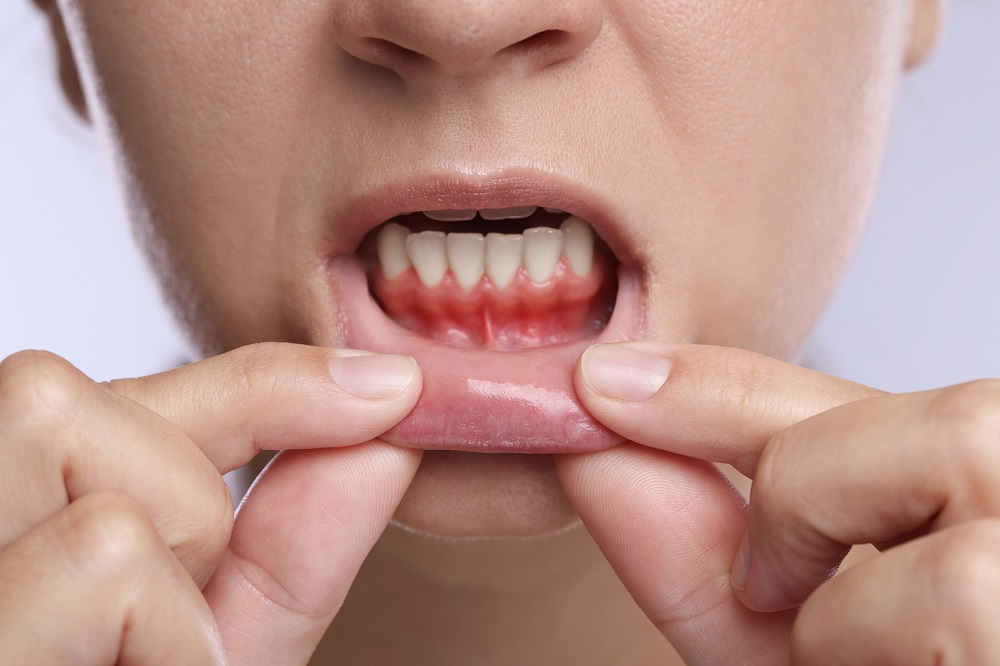

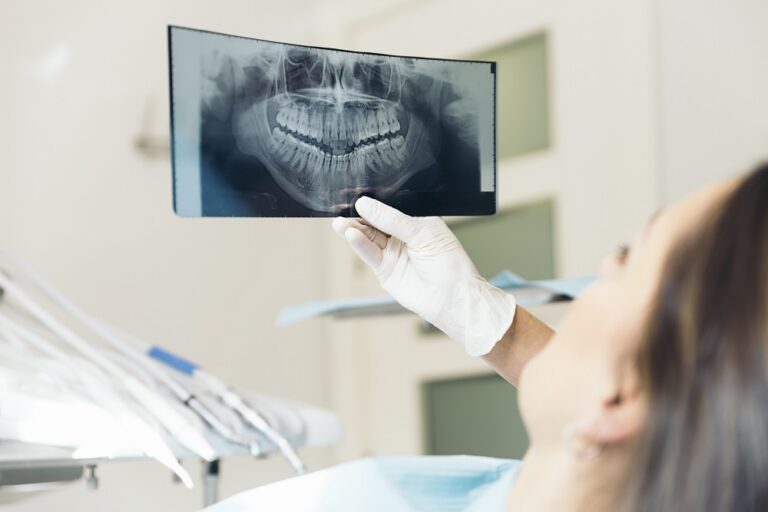
When people hear the phrase periodontal treatment, they often think first about gum disease, deep cleanings, or perhaps surgery. What they do not always expect is the financial complexity that comes with treating the problem properly. The price of care can vary widely, sometimes by a few hundred dollars, sometimes by several thousand, depending on how advanced the disease is, which procedures are needed, and whether the goal is infection control, long-term maintenance, or rebuilding what has already been lost.
That variability can make patients uneasy. I have seen people postpone needed care because they assume the cost will be out of reach, only to return later with more severe damage and a much larger bill. I have also seen the opposite, where a patient braces for a major expense and finds that a non-surgical approach, paired with disciplined follow-up, is enough to stabilize the condition. The real challenge is not just the fee itself. It is understanding what you are paying for, what can happen if you wait, and where the value of treatment really lies.
Why periodontal costs vary so much
Periodontal disease is not one single treatment category. It is a spectrum of conditions and procedures. A patient with mild gingivitis may need improved home care and a routine prophylaxis. Another patient with moderate to severe periodontitis may need scaling and root planing, localized antibiotic therapy, several rounds of reevaluation, periodontal maintenance every three or four months, and possibly surgical treatment to reduce pockets or regenerate lost bone.
That difference matters financially because dentistry is often billed by procedure, by quadrant, by tooth, or by surgical site. A fee that sounds manageable at first can grow once the full treatment sequence is mapped out. For example, deep cleaning may be quoted per quadrant, which means the final amount depends on whether one area is affected or the entire mouth. Surgical procedures may be priced per area as well, and if bone grafting or membrane placement is added, those charges can rise quickly.
Location also affects price. Urban practices with higher overhead, specialist offices in competitive markets, and clinics equipped for sedation or advanced imaging may charge more than small general practices in lower-cost regions. The provider’s training matters too. A board-certified periodontist usually brings a level of focus and experience that can be worth the added cost, especially in more advanced cases, but that expertise is reflected in the fee.
What patients are usually paying for
A common misunderstanding is that patients are paying only for the time spent in the chair. In reality, periodontal treatment includes diagnosis, planning, instrumentation, clinical judgment, sterilization protocols, materials, follow-up, and long-term disease management. In more complex cases, you are also paying for the provider’s ability to distinguish which teeth are salvageable, which areas are likely to respond to non-surgical care, and when surgery offers a better prognosis than repeated temporary fixes.
The first expense often comes before treatment begins. A proper periodontal evaluation can include a comprehensive exam, pocket depth measurements, bleeding assessment, mobility testing, recession charting, and diagnostic radiographs. If the office is being thorough, that initial visit is doing more than confirming that your gums bleed. It is establishing a baseline and measuring the extent of tissue and bone loss. Without that information, treatment becomes guesswork.
From there, costs often fall into several phases. The active disease-control phase may involve scaling and root planing, sometimes called deep cleaning, which targets bacterial deposits below the gumline. Some offices combine this with local anesthesia, irrigation, laser therapy, or antimicrobial placement, each of which may carry separate fees. Once that phase is complete, the mouth has to be reevaluated. Pockets may shrink, inflammation may improve, and some areas may respond beautifully. Others may not. Those persistent sites are where surgical recommendations often enter the picture.
Typical price ranges, with important context
Fees differ by region and practice style, so exact numbers should always be treated as estimates rather than promises. Still, some rough ranges help patients plan.
A periodontal evaluation with necessary X-rays may cost anywhere from about $150 to $400, sometimes more in specialty settings or where a cone beam scan is indicated. Scaling and root planing often ranges from roughly $200 to $400 per quadrant, though in some markets it can be higher. If all four quadrants need treatment, that can place the total somewhere around $800 to $1,600 or beyond.
Periodontal maintenance visits, which are different from standard cleanings, often fall in the range of $150 to $350 per visit. Since many patients with a history of periodontitis need maintenance every three or four months, this recurring cost becomes a significant part of long-term care.
If surgery is needed, the numbers climb. Pocket reduction surgery may run from around $600 to $1,500 per area, depending on complexity. Bone grafting can add several hundred to several thousand dollars, especially if multiple sites are involved or specialized regenerative materials are used. Gum grafting for recession can range broadly as well, often from $800 to $3,000 or more depending on how many teeth are treated and what technique is used.
None of those figures should be viewed in isolation. A patient who spends $1,200 on non-surgical care and strict maintenance may avoid a much more expensive cycle of surgery, tooth loss, implants, or removable prosthetics later. On the other hand, a patient with advanced bone loss who repeatedly pays for conservative treatment that is unlikely to succeed may spend more in the long run than someone who chooses surgery earlier.
Insurance can help, but it rarely eliminates the problem
Dental insurance tends to reduce periodontal costs, not erase them. Most plans categorize periodontal treatment as a major or basic service, depending on the procedure. Deep cleanings may be covered at a percentage, often after a deductible. Surgical procedures may also receive partial coverage, but annual maximums can become the limiting factor quickly.
That annual maximum is one of the biggest blind spots for patients. Many dental plans still cap benefits at levels that have https://johnnyvaif691.cavandoragh.org/periodontal-treatment-for-pregnant-patients-safety-and-benefits not meaningfully kept pace with the real cost of treatment. A patient may have a $1,500 annual maximum, only to discover that the evaluation, X-rays, deep cleaning, and first surgical phase consume most or all of it. If treatment spans multiple calendar years, there can be an opportunity to sequence care strategically, but that depends on disease severity and whether it is clinically safe to wait.
Pre-authorizations can be useful, though they are not guarantees of payment. They give a preview of how the insurer is likely to process the claim. Patients should ask the office two direct questions: what is estimated to be covered, and what amount will be their responsibility if the insurer pays less than expected. Those are not the same question.
The procedures that most often drive the bill upward
Not every case of periodontal treatment becomes expensive, but certain elements tend to move the total faster than patients expect. One is the number of sites involved. Another is whether care remains non-surgical or progresses to surgery. A third is whether disease control alone is the goal, or whether reconstruction is needed after bone and tissue loss.
The following items are common cost drivers:
- Treatment in all four quadrants rather than one localized area
- Surgical therapy after deep cleaning fails to reduce pocket depth adequately
- Regenerative procedures such as bone grafts or membrane placement
- Long-term periodontal maintenance every three to four months
- Restorative follow-up after tooth loss, such as implants or bridges
That last point deserves attention. Periodontal disease does not always stop at gum treatment. If a tooth has a hopeless prognosis and must be removed, the financial picture changes completely. Extraction is one fee. Ridge preservation is another. Implant placement, abutment, and crown add more. A patient who delays treatment until several teeth become unstable may move from a few thousand dollars in periodontal therapy to a far larger restorative plan.
The cost of waiting is often higher than patients expect
People sometimes compare the treatment estimate to doing nothing, as if those were the only two choices. In practice, doing nothing has a cost too. It may not appear on the same day in the same format, but it accumulates. Ongoing inflammation can deepen pockets, increase bone loss, worsen mobility, and make future treatment less predictable. Teeth that could have been maintained with scaling and root planing may later require flap surgery. Teeth that might have responded to surgery may eventually need extraction.
There is also the issue of replacement. Saving a natural tooth, even with meaningful treatment cost, is often less expensive than losing it and replacing it properly. A single implant restoration can cost several thousand dollars. A bridge that involves neighboring teeth may cost a similar amount or more, depending on materials and complexity. A partial denture may be less expensive initially, but many patients dislike the comfort or function compared with fixed options.
One patient I recall had been advised to begin periodontal maintenance after completing deep cleanings. The maintenance schedule felt excessive to him, and he skipped visits for nearly two years. By the time he returned, two molars had worsened significantly. What would have been a series of manageable recall appointments turned into additional scaling, surgery consultation, one extraction, grafting, and later a discussion about implant replacement. His regret was not subtle. He did not feel he had avoided dental costs. He felt he had financed the more expensive version of the same problem.
Non-surgical versus surgical treatment, and where value comes from
Patients understandably prefer non-surgical care when possible. It is less invasive, usually less expensive, and often highly effective in mild to moderate cases. Scaling and root planing, paired with improved brushing, flossing, interdental cleaning, and smoking cessation where relevant, can produce excellent results. When inflammation drops and pockets reduce to maintainable depths, surgery may be unnecessary.
But there are limits. Deep pockets that do not respond, areas with complex root anatomy, furcation involvement in molars, and vertical bone defects may require a surgical approach. In those situations, the higher fee often reflects a real increase in complexity and a better chance at disease control. Surgery allows direct access to root surfaces, more precise debridement, reshaping where appropriate, and in selected cases, regenerative techniques.
This is where patients should think in terms of value rather than sticker price alone. The least expensive option is not always the most economical over five years. Repeatedly cleaning an area that continues to break down may cost less per visit, but more overall if the tooth is eventually lost. At the same time, not every questionable site needs an aggressive surgical plan on day one. The best clinicians know how to balance prudence with restraint.
Questions worth asking before you agree to treatment
A good treatment discussion should feel clear, not rushed. You do not need to become a periodontal expert overnight, but you should understand the logic of the plan and the likely financial path ahead.
These questions often reveal whether the estimate is thorough:
- Is the disease localized or generalized, and how advanced is it?
- Which parts of the fee are diagnostic, active treatment, and maintenance?
- What happens if the non-surgical phase works well, and what happens if it does not?
- Are there alternatives with different costs and different long-term expectations?
- How much is likely to be covered by insurance, and what is my out-of-pocket estimate?
Those questions matter because estimates can look deceptively simple on paper. A patient may see one charge for deep cleaning and assume that is the whole story, without realizing maintenance, reevaluation, localized antibiotics, or surgery might still follow. A transparent office will explain the sequence and the decision points.
Why maintenance is not just another cleaning
One of the most frequent insurance disputes happens when patients expect a standard cleaning and are told they need periodontal maintenance instead. To the patient, both visits may feel similar. To the clinician, they are not the same thing at all.
A routine prophylaxis is intended for a generally healthy mouth or one with only mild gingival inflammation. Periodontal maintenance is for a patient with a documented history of periodontitis. It is more focused, more frequent, and designed to prevent relapse in a mouth that has already demonstrated disease activity and attachment loss. The hygienist or dentist is not merely polishing teeth. They are monitoring pocket depths, evaluating bleeding and tissue response, debriding areas that are vulnerable to recolonization, and trying to preserve stability.
This distinction matters financially because insurance may cover these services differently, and patients often need them for years, sometimes indefinitely. Skipping maintenance can undo the gains of active treatment. Paying for maintenance every three or four months may not feel exciting, but compared with retreatment or tooth replacement, it is usually money well spent.
Geography, provider type, and setting matter more than most people realize
A patient in a large coastal city may receive an estimate that is dramatically different from the fee quoted in a smaller town. That does not automatically mean one office is overcharging or another is cutting corners. Overhead varies. Rent, staffing, technology, and local wage expectations all affect fees. So does the kind of practice delivering care.
A general dentist may provide straightforward periodontal treatment in-house, particularly in milder cases. A periodontist may charge more, but in advanced disease, recession coverage, or regenerative surgery, specialization can improve efficiency and outcomes. Community clinics, dental schools, and public health settings may offer lower-cost alternatives, though scheduling can be slower and treatment may take more visits.
For patients balancing budget and urgency, it is reasonable to compare options, but comparisons should be meaningful. A quote from one office may include anesthesia, full-mouth charting, and reevaluation, while another may separate those fees. Unless you are looking at comparable treatment plans, side-by-side prices can mislead.
Financing, phased treatment, and realistic planning
Many patients do not pay for periodontal treatment all at once. Offices often offer payment plans, third-party financing, or phased scheduling that spreads treatment over time. This can be helpful, but it should be done carefully. Clinical priorities should lead the schedule, not purely financial convenience. If one quadrant is acutely infected or a mobile tooth is worsening rapidly, postponing that care to fit a budget may backfire.
Phased treatment works best when the disease pattern allows it and when the provider explains the risks of delay. Sometimes beginning with the most urgent areas is sensible. In other cases, full-mouth treatment is preferable because bacterial reservoirs in untreated areas can undermine progress elsewhere. There is no single rule.
Patients with limited budgets should say so plainly. Most experienced clinicians would rather tailor a realistic plan than watch someone disappear because they felt embarrassed discussing money. In practice, there is often room to sequence diagnostics, prioritize active infection, time treatment around insurance benefits, and reserve elective cosmetic refinements for later.
When a second opinion makes sense
Not every estimate needs to be challenged, but some deserve a second look. If a patient is being told they need extensive periodontal surgery without a clear explanation of pocket depths, bone loss, or expected benefit, another opinion is appropriate. The same is true if one office recommends extracting multiple teeth while another believes they are maintainable.
A second opinion is most useful when it is focused. Bring recent X-rays if possible. Ask the second doctor not just whether they would charge less, but whether they agree with the diagnosis, the disease severity, and the order of treatment. Sometimes the second opinion confirms the original plan, which can give patients confidence. Other times it reveals that the issue is less advanced than feared, or more urgent than the first conversation conveyed.
Cheaper is not always better. More expensive is not always more thorough. The goal is informed judgment.
The bigger financial picture: oral health, general health, and quality of life
Periodontal disease affects more than the gumline. Chronic inflammation, bleeding, bad breath, tenderness while eating, and loose teeth all carry a quality-of-life cost that rarely appears in a treatment estimate. Patients often adapt quietly by chewing on one side, avoiding certain foods, or smiling less. That adaptation can make the disease feel less urgent than it is.
From a financial standpoint, untreated periodontal disease can also complicate future dental work. Crowns, bridges, implants, and even orthodontic treatment depend on a stable periodontal foundation. Investing in gum health first often protects the money spent on everything else later. No one wants to pay for a beautiful restoration on a tooth that lacks the supporting bone and tissue to keep it secure.
The central point is simple: periodontal treatment is rarely just a one-time charge for cleaning the gums. It is a spectrum of diagnostic care, active therapy, reassessment, and maintenance, with costs that reflect disease severity and long-term goals. Patients who understand that early are better equipped to make sound decisions, ask useful questions, and weigh price against prognosis instead of reacting only to the number on the estimate.
Good periodontal care is not cheap, but advanced periodontal disease is often far more expensive. The smartest money is usually spent before the damage becomes irreversible.
Avra Dental
Address: 1708 S Victoria Ave B, Ventura, CA 93003
Phone number: (805) 941-1001
FAQ About Periodontal Treatment
Can a dentist get rid of periodontal disease?
A dentist or gum specialist (periodontist) cannot fully cure or reverse advanced periodontal disease (periodontitis), but they can successfully stop its progression and manage the infection.
Is periodontitis very serious?
Yes, periodontitis is a very serious, advanced form of gum disease that destroys the bone and tissues supporting your teeth.
How is stage 2 periodontal disease treated?
Stage 2 periodontal disease (early to moderate periodontitis) is primarily treated with non-surgical deep cleaning procedures like scaling and root planing to remove bacteria and tartar below the gumline.