Column · @johnathanistr078
What Makes a Personalized Periodontal Treatment Plan Effective?
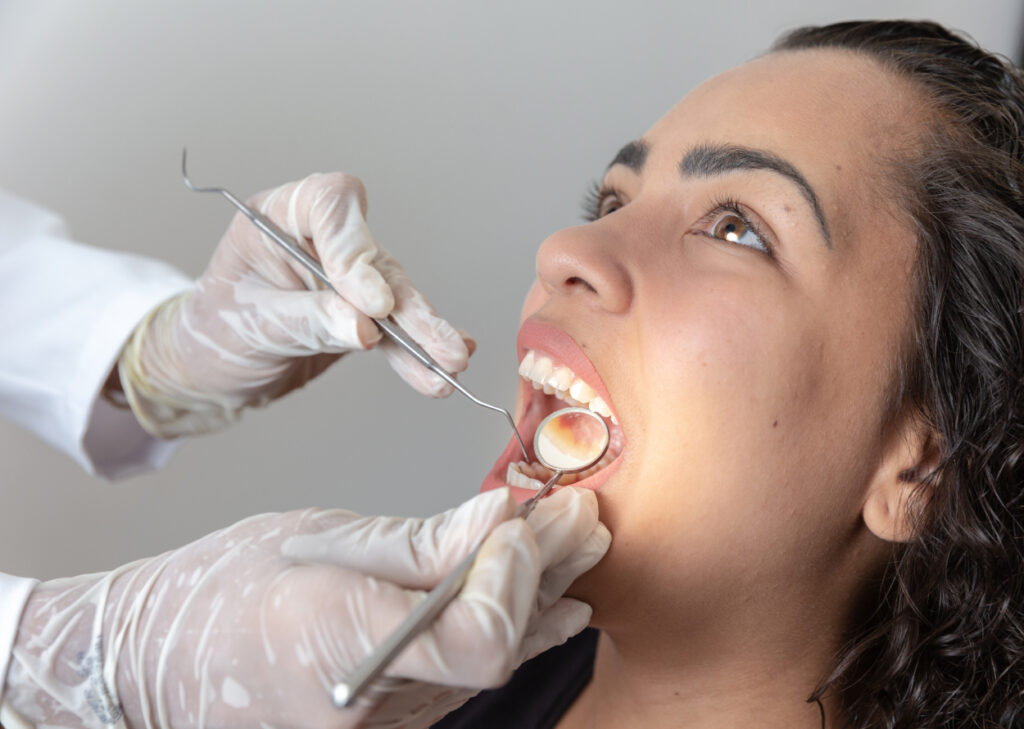

Periodontal disease rarely follows a neat script. Two patients can arrive with similar pocket depths on paper and need very different care once the full picture comes into focus. One may be dealing with long-standing inflammation made worse by smoking and inconsistent home care. Another may have meticulous brushing habits but uncontrolled diabetes, bone loss around specific teeth, and a bite pattern that keeps re-traumatizing the same areas. That is why a personalized periodontal treatment plan matters. It is not just a more attentive version of standard care. It is the difference between treating a diagnosis and treating a person.
An effective plan for periodontal https://connerycwq409.huicopper.com/natural-ways-to-support-healing-after-periodontal-treatment treatment does more than reduce bleeding or remove calculus. It identifies what is driving the disease, what is likely to prevent healing, what the patient can realistically sustain, and which interventions should happen now versus later. Good periodontal care is both biologic and practical. If either side is ignored, the plan may look impressive in a chart and still fail in real life.
The disease is local, but the plan cannot be narrow
Periodontal disease begins in the tissues around the teeth, yet its progression is shaped by far more than plaque alone. The microbial biofilm is central, but host response, immune status, medications, smoking, stress, dexterity, access to care, and previous dental experiences all influence the outcome. A generic plan that says, in effect, deep cleaning first and maintenance later, often misses the reasons the disease developed and the reasons it may return.
In practice, personalization starts by refusing to reduce the patient to probing depths and radiographs. Those findings matter enormously, but they are part of a wider clinical story. A patient with generalized 5 to 6 mm pockets and heavy calculus may respond very well to non-surgical therapy if risk factors are modifiable and compliance is likely. A patient with isolated vertical defects, furcation involvement, mobility, and parafunctional wear may need a far more layered strategy, possibly including occlusal adjustment, splinting, regenerative procedures, or extraction of teeth with a hopeless prognosis.
A plan becomes effective when it connects the clinical data to the lived realities behind it. That takes time, judgment, and often a few honest conversations.
It starts with a diagnosis that is actually complete
A personalized plan is only as good as the assessment behind it. Periodontal treatment often fails, or delivers only temporary gains, when the initial diagnosis is rushed. Bleeding points get charted, radiographs are taken, and scaling is scheduled, but important details are left unresolved.
A complete periodontal evaluation should clarify not only whether disease is present, but also its pattern, severity, rate of progression, and likely modifiers. Full-mouth probing depths are essential, but so are recession measurements, clinical attachment loss, mobility, furcation involvement, plaque levels, bleeding on probing, suppuration, and the distribution of bone loss. The distinction between a generalized chronic pattern and an aggressive, site-specific pattern is not academic. It influences urgency, sequencing, and prognosis.
Radiographs add context, especially when paired with careful clinical findings. Horizontal bone loss tells a different story from angular defects. Furcation radiolucencies, widened periodontal ligament spaces, and root anatomy also shape choices. Some molars are technically restorable but poor candidates for long-term retention because of anatomy and access. Others look questionable initially and become stable for years once inflammation is controlled and maintenance is consistent.
Medical history often changes the meaning of what is seen clinically. Diabetes is an obvious example, but not the only one. Pregnancy, osteoporosis medications, immunosuppressive therapies, xerostomia-inducing drugs, and conditions that affect wound healing or dexterity can alter both disease behavior and the treatment approach. In many cases, the best periodontal plan includes communication with a physician.
When this level of assessment is skipped, treatment becomes reactive. When it is done well, the plan gains precision.
Risk factors are not background details
One of the clearest marks of an effective personalized plan is that it addresses risk factors directly rather than treating them as side notes. This is where experience matters, because not all risk factors are equally modifiable, and not all patients are ready to change at the same pace.
Smoking remains one of the most important predictors of poor periodontal healing. It suppresses overt signs of inflammation, so tissues can appear deceptively calm while destruction continues. A smoker with limited bleeding does not necessarily have a healthier periodontium than a non-smoker with obvious inflammation. Treatment planning has to account for this. Surgical results are often less predictable in active smokers, regenerative outcomes may be compromised, and maintenance intervals may need to be shorter. Telling a patient to quit is not enough. The more effective approach is specific: explain how smoking affects blood flow and healing, document the discussion, support reduction or cessation realistically, and time advanced treatment with that context in mind.
Glycemic control deserves the same level of attention. Patients with poorly controlled diabetes often present with exaggerated inflammation, delayed healing, and recurrent breakdown. In these cases, periodontal treatment should still move forward, because reducing inflammation can help overall health, but the plan should be staged with the expectation that tissue response may be slower or less complete until systemic control improves.
Then there are the practical risk factors that textbooks mention briefly but clinicians see every day. A patient with arthritis may want to clean well but physically cannot maneuver floss or standard brushes. A night-shift worker may miss maintenance because scheduling is difficult, not because motivation is low. A person with a history of painful dental treatment may avoid care until symptoms become impossible to ignore. Personalized care takes these constraints seriously.
The patient has to be able to carry the plan
A treatment plan can be biologically sound and still ineffective if it demands habits the patient cannot maintain. This is one of the most common reasons periodontal treatment stalls after a promising start.
Home care instructions should be individualized, not recited. A patient with crowded lower incisors and fixed retention may benefit more from interdental brushes than from standard floss. Someone with wide embrasures after bone loss often cleans far better with appropriately sized proxabrushes than with techniques designed for intact papillae. A patient with gingival recession and root sensitivity may need a softer brushing approach and desensitizing support before brushing improves consistently.
Too often, clinicians overload patients with every possible recommendation at once. That usually produces polite agreement and poor follow-through. A better strategy is to identify the one or two home care changes most likely to influence outcomes and build from there. If a patient currently brushes once a day for 30 rushed seconds, discussing a water flosser, antimicrobial rinse, tongue cleaning routine, and four different interdental tools in the same visit is unlikely to help. Start where the patient is.
A useful personalized plan usually answers four practical questions:
- What is the main cause of continued inflammation in this mouth?
- Which daily habit would reduce that problem the most?
- What tool can this patient use consistently and correctly?
- How will progress be checked and reinforced at the next visit?
That may sound simple, but it is often where real change happens. Patients improve when the plan feels achievable and relevant, not when it sounds idealized.
Timing and sequencing matter more than many patients realize
Effective periodontal treatment is not just about choosing the right procedures. It is about placing them in the right order. Sequencing has a major influence on comfort, healing, cost, and long-term stability.
Non-surgical therapy is often the foundation. Thorough scaling and root planing, combined with oral hygiene coaching and risk factor management, can dramatically reduce inflammation and pocket depths in many cases. But non-surgical therapy should not be treated like a formality before the "real" treatment begins. The re-evaluation after initial therapy is where a personalized plan proves its value. Some sites that looked ominous at baseline improve enough to avoid surgery. Others reveal persistent deep pockets, furcation issues, or defect morphology that justify more advanced care.
Re-evaluation is not a paperwork step. It is the clinical moment when the response to therapy is measured against the original diagnosis. If a patient began with generalized inflammation and poor plaque control, but returns with markedly improved hygiene and only a few non-responding sites, the plan should narrow accordingly. If little has changed, the clinician has to ask why. Was instrumentation limited by anatomy or patient tolerance? Is home care still inadequate? Is there an unaddressed systemic factor? Is the diagnosis more complex than first thought?
Surgical periodontal treatment should be recommended when it offers a clear advantage, not reflexively and not too late. Flap access may be necessary for deep residual pockets and root surface debridement. Regenerative procedures may be appropriate in well-selected vertical defects. Crown lengthening may be needed to restore teeth predictably. Soft tissue grafting may help with recession, root sensitivity, or inadequate keratinized tissue in specific cases. Each of these has value, but their success depends heavily on case selection and timing.
There is also judgment in knowing when not to pursue heroic treatment. A tooth with severe mobility, advanced attachment loss, recurrent abscessing, and little strategic value may be better extracted than repeatedly treated. Personalized planning includes restraint.
Prognosis should be honest, specific, and revisited
Patients often hear treatment recommendations more clearly when they also hear prognosis in plain language. An effective plan distinguishes between what can likely be stabilized, what can be improved, and what remains uncertain.
This is especially important in periodontal care because many patients assume treatment restores tissues to their original state. Often it does not. The realistic goal is usually disease control, reduced inflammation, slowing or stopping further attachment loss, and preserving function for as long as possible. In selected cases, regeneration is possible, but not every defect can be rebuilt, and not every loose tooth can be predictably retained.
Prognosis also changes over time. A molar with Class II furcation involvement in a highly compliant non-smoker can have a much better outlook than the same molar in a smoker who misses maintenance. Likewise, a tooth initially considered questionable may become maintainable once inflammation resolves and occlusal trauma is addressed. Effective plans leave room for reassessment rather than locking every decision at the first visit.
Patients generally appreciate candor when it is paired with direction. Telling someone, "This tooth is weak, but we may be able to keep it for years if we reduce the pocketing, improve cleaning access, and stay on a strict maintenance schedule," is more useful than either false reassurance or blunt pessimism.
Precision in maintenance is where long-term success lives
Many periodontal cases look successful for three or four months. Fewer remain stable over three or four years without a disciplined maintenance strategy. This is where personalized care often shows its greatest value.
A patient who has been treated for periodontitis usually should not return to a generic six-month cleaning model by default. The appropriate interval depends on disease severity, tissue response, systemic risk, dexterity, and history of recurrence. For many patients, three-month periodontal maintenance is appropriate, at least initially. Others can gradually move to four-month intervals once stability is established. Some need even closer supervision during periods of medical change or declining home care.
Maintenance visits are not just shorter cleanings. They are surveillance appointments. Pocket depths are reassessed at key sites. Bleeding patterns are monitored. Plaque control is reviewed. Radiographs are updated when indicated. Restorations are checked for overhangs or contours that retain plaque. Bite changes, drifting, mobility, or food impaction are discussed because these often signal local breakdown before a patient recognizes symptoms.
The plan also needs to anticipate lapses. People miss appointments, move, change jobs, get sick, care for family members, or simply lose momentum. A good periodontal team builds systems that make re-entry easy and nonjudgmental. Stability is rarely about a single perfect year. More often, it is about catching small setbacks before they become major loss.
Collaboration across disciplines can make or break the result
Periodontal treatment rarely exists in isolation, especially in moderate to advanced cases. One reason personalized plans are more effective is that they account for the rest of the mouth, not just the inflamed sites.
Restorative dentistry is a common example. A poorly contoured crown margin or a subgingival overhang can undermine otherwise good periodontal therapy. Replacing or modifying restorations at the right time can dramatically improve tissue health. Orthodontics also enters the picture more often than patients expect. Teeth that have migrated due to bone loss may create traumatic contacts, open embrasures, or cleaning challenges. In selected stable patients, limited orthodontic movement can improve both function and maintainability.
Implant planning requires the same coordination. If hopeless teeth are removed and implants are placed without fully addressing a patient’s periodontal susceptibility, the result may simply shift the problem from natural teeth to peri-implant tissues. A personalized plan considers whether disease is controlled enough for implant therapy, whether soft and hard tissue conditions are favorable, and whether the patient can maintain the restorations being proposed.
This interdisciplinary view is not about making treatment more complex than necessary. It is about reducing the chance that one untreated factor will sabotage the rest.
Communication changes outcomes more than technology does
Advanced diagnostics, better instruments, and improved biomaterials all help, but the strongest treatment plans still rely on communication. Patients make decisions based on what they understand, what they fear, what they can afford, and what they believe will happen if they do nothing.
An effective periodontal consultation translates clinical findings into consequences that matter to the patient. Instead of saying only, "You have 6 mm pockets and attachment loss," it is often more meaningful to explain that the supporting bone around certain teeth has been reduced, that these areas are difficult to clean at home, and that without treatment those teeth become more vulnerable to loosening, drifting, or eventual loss. That does not mean using scare tactics. It means speaking plainly.
It also means listening well enough to catch the real barriers. Cost is one, but not the only one. Some patients are worried about discomfort because of a previous traumatic procedure. Others hear "deep cleaning" and assume one visit will solve everything. Some want to save every tooth at any cost. Others would prefer extraction over prolonged treatment. None of these positions is irrational. They simply require the plan to be discussed in concrete terms.
When patients understand why a certain sequence is recommended, why maintenance intervals are tight, or why smoking cessation matters to the prognosis of a graft or regenerative procedure, adherence improves.
What effective personalization looks like in real practice
It helps to picture how this plays out outside theory.
Consider a patient in their late forties with generalized moderate periodontitis, localized 7 mm pockets on molars, type 2 diabetes with inconsistent control, and visible frustration about bleeding gums despite regular brushing. A generic plan might schedule scaling and root planing and suggest flossing more. A personalized periodontal treatment plan goes further. It explains the two-way relationship between diabetes and gum inflammation, chooses interdental tools that fit the patient’s anatomy and dexterity, sequences non-surgical therapy first, re-evaluates in four to six weeks, and reserves surgery only for sites that remain deep after inflammation drops. It also coordinates with the patient’s physician if needed and places the patient on a three-month maintenance interval. Same diagnosis, far better odds of meaningful stability.
Now consider a younger patient with localized aggressive bone loss around first molars and incisors, minimal visible plaque, family history of early tooth loss, and excellent motivation. Treating this the same way as generalized plaque-driven disease would be a mistake. The plan may still begin with debridement and home care reinforcement, but the urgency, microbiologic suspicion, prognosis discussion, and specialist involvement are all different. Personalization here is not a luxury. It is basic competence.
The best plans adapt as tissues and behavior change
One of the most overlooked qualities of an effective treatment plan is flexibility. Periodontal treatment is not a one-time event. It is a controlled process of intervention, healing, remeasurement, and adjustment.
Sometimes the patient responds better than expected. Inflammation resolves, pocket depths shrink, and surgery becomes unnecessary. Sometimes the opposite occurs. Despite technically sound therapy, certain sites continue to bleed or deepen, forcing a re-examination of anatomy, compliance, diagnosis, or systemic factors. The plan must be able to pivot.
This is where documentation and consistency matter. Baseline recordings, clear notes on risk factors, specific home care recommendations, and thoughtful re-evaluation allow the clinician to make better decisions over time. Without that record, it becomes easy to repeat the same approach without noticing that it is no longer working.
Personalization is not just the custom design at the beginning. It is the willingness to refine the plan as new information emerges.
Why some personalized plans still fail
Not every customized approach succeeds, and it is worth being honest about why. Sometimes disease severity is simply advanced, and treatment can only stabilize what remains. Sometimes the patient agrees in principle but cannot maintain the needed schedule or habits. Sometimes finances limit the ideal sequence and require compromises. Sometimes a tooth-specific problem, such as root fracture or inaccessible furcation anatomy, defeats otherwise careful therapy.
Failure can also happen when "personalized" becomes too vague. A plan still needs structure. It still needs measurable endpoints, defined re-evaluation, and clarity on what success looks like. Tailoring care does not mean improvising without standards. It means applying standards intelligently.
That balance, between protocol and judgment, is what separates routine care from excellent periodontal treatment.
The heart of an effective plan
At its best, a personalized periodontal treatment plan is not merely customized paperwork. It is a disciplined clinical strategy built around the biology of the disease, the condition of the mouth, and the realities of the person living with it. It identifies the drivers of breakdown, uses the least invasive effective steps first when appropriate, escalates thoughtfully when needed, and treats maintenance as essential rather than optional.
Most of all, it recognizes a simple truth: periodontal stability is earned through fit. The treatment has to fit the diagnosis, the anatomy, the risk profile, and the patient’s capacity to follow through. When those pieces line up, outcomes improve, teeth are preserved longer, and patients stop feeling as though they are stuck in a cycle of temporary fixes. That is what makes personalization effective, not the label itself, but the precision, realism, and follow-up behind it.
Avra Dental
Address: 1708 S Victoria Ave B, Ventura, CA 93003
Phone number: (805) 941-1001
FAQ About Periodontal Treatment
Can a dentist get rid of periodontal disease?
A dentist or gum specialist (periodontist) cannot fully cure or reverse advanced periodontal disease (periodontitis), but they can successfully stop its progression and manage the infection.
Is periodontitis very serious?
Yes, periodontitis is a very serious, advanced form of gum disease that destroys the bone and tissues supporting your teeth.
How is stage 2 periodontal disease treated?
Stage 2 periodontal disease (early to moderate periodontitis) is primarily treated with non-surgical deep cleaning procedures like scaling and root planing to remove bacteria and tartar below the gumline.